
A Woman Relegated To The Manufacturing Night Shift

By Louis Garguilo, Chief Editor, Outsourced Pharma
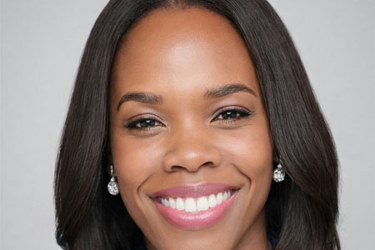
We recently met Stephanie Wimberly, founder of pharma manufacturing consultancy APTTMHY LLC. She provided us with thoughts and best practices for working with CDMOs.
This is a more personal narrative of a pharma manufacturing career.
It starts in 2013. After graduating with a biology degree from Howard University and entering the pharma industry, she found herself the only woman — the only black woman — employed in a manufacturing facility in Maryland.
“It was hard to get people to respect your authority and your position,” she says looking back at her start. “Sometimes my work spoke for me. Sometimes it was overshadowed by other considerations.”
A Difference Of Day And Night
In one instance a supervisor made it clear he didn’t want women on his team. (And we are not talking here about ancient history, are we?)
Wimberly was thus reassigned to work the night shift at her facility. Her superintendent told her ‘put your big girl pants on and suck it up!’
“I had a family to support, and night shift, or abuse, was not what I signed up for,” she says. “But I didn’t have many options.”
Wimberly made a key decision that would become a pattern in her career. If she couldn’t control a situation, she would control her performance and help others with theirs.
In the end, she thought, her profession was about the patients who needed the drugs they were manufacturing – day or night.
“I said, ‘If I’m going to be on nights, I’m going to be the best leader the night crew ever had.’”
She began by standardizing processes, strengthening training, and she “rallied her team.” Measured production performance climbed dramatically under her leadership.
These results were noticed, and this time they spoke loud enough. She was reassigned to days, and given elevated positions of responsibility.
That period, she says, taught her how to assert herself professionally – through work ethic and results. But also how to use her voice effectively, “and lead without losing composure.”
“It built my perseverance, and my tenacity,” she asserts. “You can’t put me in a box.”
Nobody in our industry should try to put anybody else in a box.
The Shift Toward Consulting
After a decade of (very positive) pharma experience, Wimberly was ready for a new challenge. “I felt like I had gained the expertise and skills I needed.”
She had earned additional degrees (Master’s in Public Health; another in Alternative and Complementary Medicine) – no easy task while busy fulfilling the leadership roles she had achieved at Takeda, her final destination before deciding to make the change.
She co-founded APTTMHY LLC Consulting. Now she'd further serve patients by working with biopharma organizations depending on manufacturing prowess to get their drugs to clinics and commercial.
Her clients today range from traditional pharma manufacturing to advising smaller producers in other sectors on process control, documentation, and compliance, among other fundamentals.
Her overriding theme: reduce human error by strengthening supporting systems, and improving efficiency without losing sight of the people doing the work.
That second part is especially important to her, and applies to whether that work is at a CDMO or internal facilities.
Manufacturing — And Inner Peace
Wimberly’s life and professional philosophy is tied to an openness of the importance of emotional well-being, she tells me.
I tell her with all the pressure on professionals at CDMOs, they can use all the"well-being" they can get.
“Manufacturing is stressful,” she says. “They have deadlines, inside and outside pressures, and responsibility. As a leader in manufacturing, you have to stay consistent.”
She has observed that professionals who feel burned out or unsure of their path struggle with focus and performance. Those who are grounded tend to be steadier under pressure.
Again ... double that for those working at a CDMO. It's not cliché that it takes a certain type of individual to endure the fast pace and the responsibility to numerous clients (as well as your own management).
The best CDMO professionals – those you should seek out – always take principled stands to keep the quality of ingredients and products in mind. It's the patient who reaps those rewards, or suffers from any miscommunications, miscues, or corners cut.
Wimberly adds: “If you don’t have peace within yourself, your mind won’t be on what you’re doing, and why. In this field, that leads to serious mistakes.”
Still Learning, Still Building
Like many new consultants, Wimberly admits she has “moments of doubt,” but she says, "Trust in my Creator's ability and an inner strength cancels those.”
“Sometimes I do wonder why I concentrate on pharmaceutical manufacturing,” she says, laughing. “But then I see my clients’ success, and that means better patient outcomes, and that reminds me.”
Currently, much of her business comes through word of mouth – former colleagues, professional networks, and people who have seen the benefits her emotional well-being has brought to others. That includes CDMOs she's worked with in the past.
In consulting, she says, she takes the same approach that overcame being relegated to a manufacturing night shift for the wrong reasons.
It’s a focus on performance, relationships, and “a belief that growth is built, not granted.”
Today, I'll add, with biopharma manufacturing of various dimensions so dependent on external partners worldwide, we are the benefactors of what we might call an organic diversity.
While we still need to do more, I believe readers will agree our manufacturing leaders are open and inclusive of many talents today.
“I just wanted to help when I started,” she says. “That hasn’t changed. It carries through to working directly on the drug-manufacturing floor, or now guiding companies to improve how they operate to make their drugs, and how they work with external partners.”
Before we end, let's be clear that those professionals who keep production going throughout the night play a vital role in our supply chains. A shoutout to you.