
Top 5 Events That Can Impact Your Clinical Supply Chain
By Sylvia Tsengouras, Fisher Clinical Services

Over the last 20 years I have come across plenty of small and large changes that can put a supply chain at risk or even bring it to a dead halt. This is something that should be avoided at all costs. Below are just a few of the many “small changes” that are pieces of the supply chain puzzle and can wreak havoc if not planned for in advance.
Here are my Top 5 events that can impact your clinical supply chain. I’ve also given you some recommended solutions.
- Additional Countries or Sites – Changing the footprint of countries or sites will likely lead to spreading your drug supply even thinner. Not only do you need to revise labels, submit to agencies and actually package the material, it is important to forecast and determine what the impact is to your overall supply plan. Adding countries can mean adding new depots as well. This can quickly drain your inventory quantities.
Solution: One way to reduce risk to your inventory may be to recommend to your clinical team to choose to add more sites in the existing country list footprint. This will allow you to keep supplies at the local depot instead of opening new depots that will thin out your inventory and reduce your flexibility to enroll subjects.
- Agency feedback - More often than not the feedback comes late in the game. Depending on the type of changes required and possible re-submission timing, the study start could be delayed, which may affect the supplies even if the changes are not directly connected to the supplies. One of the risks of changes that need to be made due to feedback from Regulatory Agencies is the risk of not being able to use up inventory that has been manufactured prior to reaching expiry.
Solution: Always come up with contingency and risk mitigation plans such as Expiry extension labeling or planning for additional campaigns. Preparing for all options reduces risk.
- Product Manufacturing changes or delays – Drug product or drug substance manufacturing issues are usually beyond your control. Delays or low yields upstream mean more forecasting and coming up with various strategies to reduce the risk to your supply chain.
Solution: Creating a risk mitigation plan early on will is one the best tools you can use to be prepared for these types of events. Whether they address delayed delivery, reduced yields, or decreased shelf life, have a plan ready to implement should the risk event present itself.
- Packaging Delays - Occasionally, resources are limited or there is a delay in the planning which cannot be addressed with expedited processes.
Solution: Forecasting and planning for all the likely scenarios will reduce the risk. Sometimes, the answer is as easy as splitting the packaging campaigns into multiple smaller campaigns. Or perhaps creating an early campaign to meet the client’s First Subject in, and following up with the bigger campaign may be an option. Packaging Campaigns per country or regions also reduce the risk of not being able to hit study start up milestones due to limited resources or planning.
- Budget Cuts – We are often told to do more with less. This is where strategic and creative planning can often help to accomplish the seemingly impossible task.
Solution: Out of the box thinking like pooling drug supplies and recommending a gated country start up can stretch the budget while being able meet the milestones.
As they say in the sports world, the best defense is a good offense. Planning ahead and creating risk mitigation plans should always be a part of your overall strategy. Along with contingencies for the big obvious changes, look and plan for the small changes. Make sure that the “one small change” isn’t the weakest link in your Clinical Supply chain.
Author:
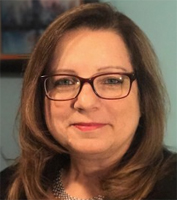 Sylvia Tsengouras joined Fisher Clinical Services in January 2015 as a Senior Clinical Supply Chain Manager for the Clinical Supplies Optimization Services group. Sylvia has over 22 years of clinical supply chain management experience in the pharmaceutical industry. Prior to joining Fisher Clinical Services, Sylvia was a Sr. Clinical Supplies Manager for 20 years at Astellas Pharma, Inc. where she helped to build the clinical supply department from inventory management systems to establishing SOPs and processes, while meeting the company’s rapidly expanding clinical development pipeline.