|
|
|
|
|
|
|
Device Design To Address Usability And Mitigate Use-Related Risks
|
|
|
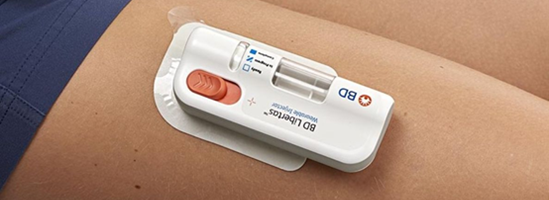
Increasing prevalence of chronic disease and a shift toward patient centric care are accelerating the move from clinic based intravenous delivery to large volume subcutaneous administration. Wearable injectors developed to minimize complexity for patients and caregivers must balance formulation needs, user capabilities, and environmental factors, making risk management and human factors methodologies essential throughout development.
|
|
|
|
|
|
|
The rise of combination therapies has increased interest in delivering two liquid drugs together without mixing them before use. While many existing dual injection solutions require specialized containers or device redesigns, a novel valve has been developed to enable dual-chamber functionality within standard syringe and autoinjector systems.
|
|
|
|
|
A new regulatory chapter requires holistic, real‑world testing of injectable systems, mandating full‑system validation with actual drug products and prioritizing patient‑centric performance and safety.
|
|
|
|
|
|
|
BD Libertas™ Wearable Injector is designed to deliver subcutaneous injections of large volume (2-5 mL or 5-10 mL) and/or high viscosity (up to 50 cP) fixed dose biologics for the non-acute setting. Explore the patient experience offered by this advanced delivery system.
|
|
|