
Lyophilization Process Development For Antibody Drug Conjugates: A Case Study
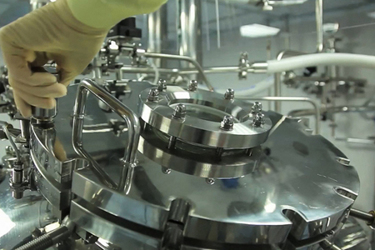
Developing stable, scalable antibody-drug conjugate (ADC) therapies requires careful attention to formulation and manufacturing processes, particularly during lyophilization. As one of the most widely used strategies for preserving ADC stability, freeze-drying plays a critical role in maintaining product integrity, extending shelf life, and reducing reliance on complex cold-chain logistics.
This case study examines the scientific principles behind lyophilization process development for ADCs, highlighting common challenges such as phase separation during freezing and product destabilization during drying. It explores how thermal analysis, freeze-dry microscopy, process characterization, and design space optimization can be used to establish robust manufacturing parameters and improve process reliability. Additional considerations, including residual moisture control, material compatibility, and stability assessment, demonstrate the importance of a quality-by-design approach in supporting regulatory readiness and commercial scalability.
Gain practical insights into the strategies used to optimize freeze-drying performance and support the successful development of advanced biologic therapies.
Get unlimited access to:




Enter your credentials below to log in. Not yet a member of Outsourced Pharma? Subscribe today.