
From Promise To Patients: Smarter Pathways To Scale In Cell And Gene Therapy Manufacturing
By Jennifer Cannon, President, Commercial Operations, Thermo Fisher Pharma Services
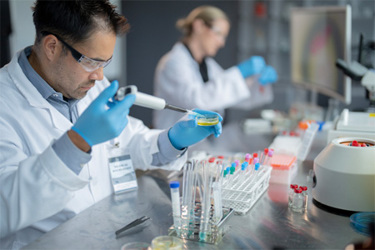
Cell and gene therapies are reshaping the treatment landscape for genetic and chronic diseases, yet transforming breakthrough science into widely accessible therapies remains complex. Much of today’s innovation originates in academic labs and emerging biotechs, where early progress is often fueled by ingenuity rather than infrastructure. As programs advance, however, developers encounter mounting pressures — tight funding, manual workflows that resist scale, and regulatory standards that intensify with each phase of development.
Bridging the gap between early discovery and commercial readiness requires more than technical refinement. It calls for thoughtful alignment between research processes and compliant manufacturing, ensuring that what works at the bench can translate reliably to GMP environments. Without this alignment, variability, delays, and costly rework can slow momentum at critical moments.
Automation, when applied strategically, can improve consistency and throughput, particularly in labor-intensive or variable steps. At the same time, standardized frameworks must remain adaptable enough to accommodate novel modalities and evolving science. Striking this balance between structure and flexibility is becoming central to sustainable progress.
As the field evolves, the strategies developers choose — how they design processes, apply technology, and collaborate across partners — may prove just as influential as the therapies themselves in determining how quickly innovation reaches patients.
Get unlimited access to:




Enter your credentials below to log in. Not yet a member of Outsourced Pharma? Subscribe today.