
Analytical Methods For Bispecific Antibody Final Product Release
Q&A with Abzena
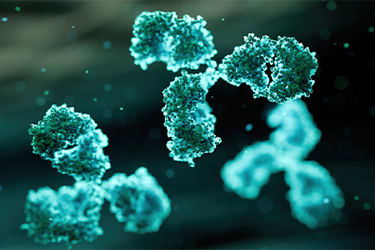
Release testing for bispecific antibodies is harder than most teams expect, and the gap between a conventional monoclonal antibody panel and what bispecifics actually require is wider than it first appears. Method selection here isn't arbitrary; it traces directly back to the target product profile (TPP), which defines the clinical, quality, and performance attributes your product must meet.
The core release panel breaks into three categories: microbiology safety (endotoxin, bioburden, sterility where needed), physicochemical and identity characterization (CE-SDS for purity, SEC for aggregation, cIEF for charge variants, mass spectrometry at later development phases), and potency via ELISA or cell-based assays. Layered on top: process-related impurity controls covering host-cell protein (HCP), residual host-cell DNA, and affinity ligands like Protein A.
For bispecific antibody-drug conjugates (ADCs), the panel extends further still, incorporating drug-to-antibody ratio (DAR), drug-load distribution, unconjugated antibody, free payload, and linker-payload impurities. Each addition exists because a gap there translates directly to clinical or regulatory risk. Access the full Q&A to understand how to sequence these methods across development stages and avoid gaps that regulators will find.
Get unlimited access to:




Enter your credentials below to log in. Not yet a member of Outsourced Pharma? Subscribe today.